MIDISONIC
A contactless instrument for musical expression.
A contactless instrument for musical expression.
An interactive system that turns movement into sound and visual feedback, inspired by the lack of creative tools in rehabilitation settings.
An interactive system that turns movement into sound and visual feedback, inspired by the lack of creative tools in rehabilitation settings.

Recognized with the iF Design Award 2026 for exploring accessible musical expression through gesture, sound, and visual feedback.
Recognized with the iF Design Award 2026 for exploring accessible musical expression through gesture, sound, and visual feedback.
Why this matters
Creative expression is often missing from assistive design
Creative expression is often missing from assistive design
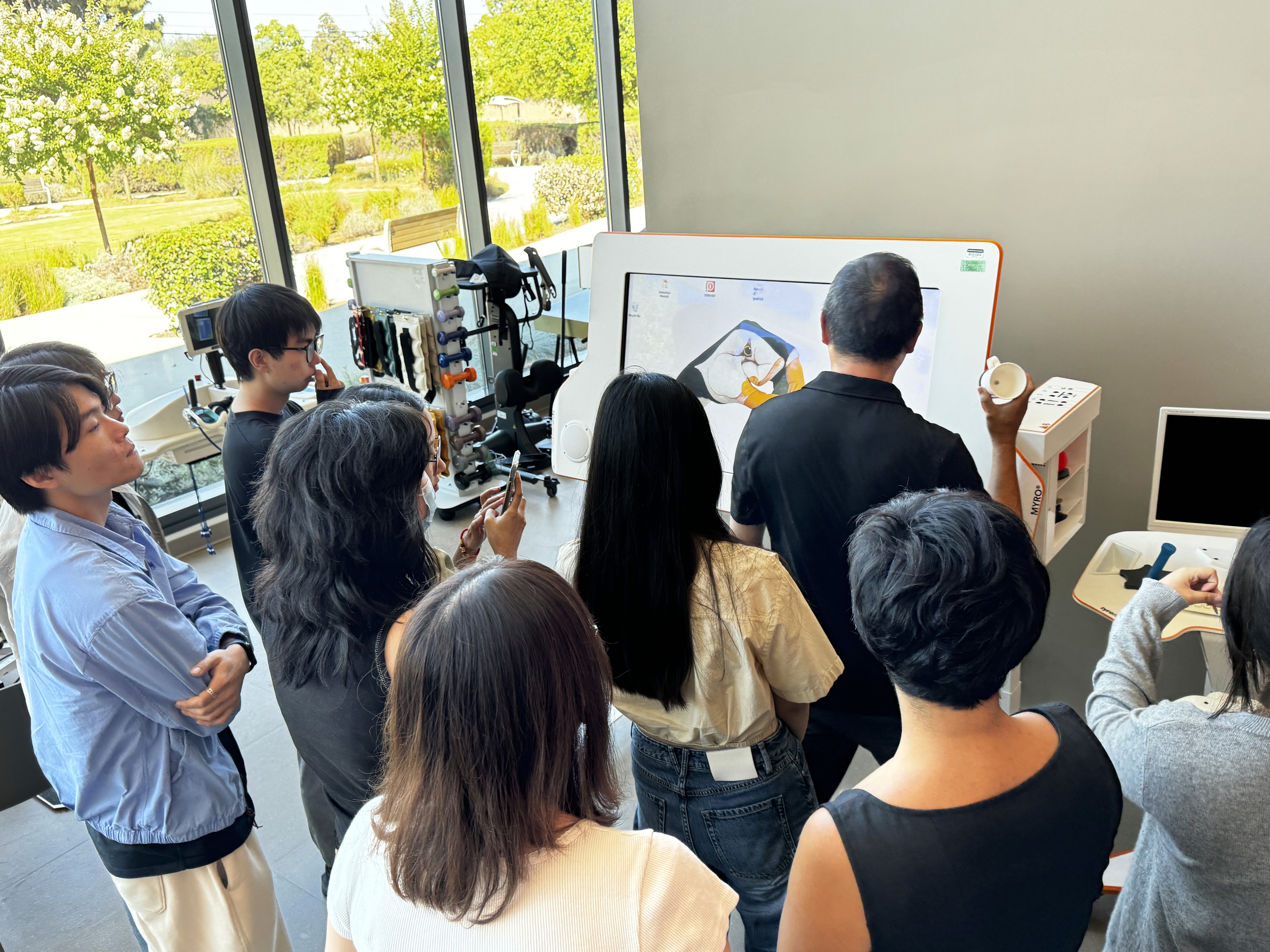
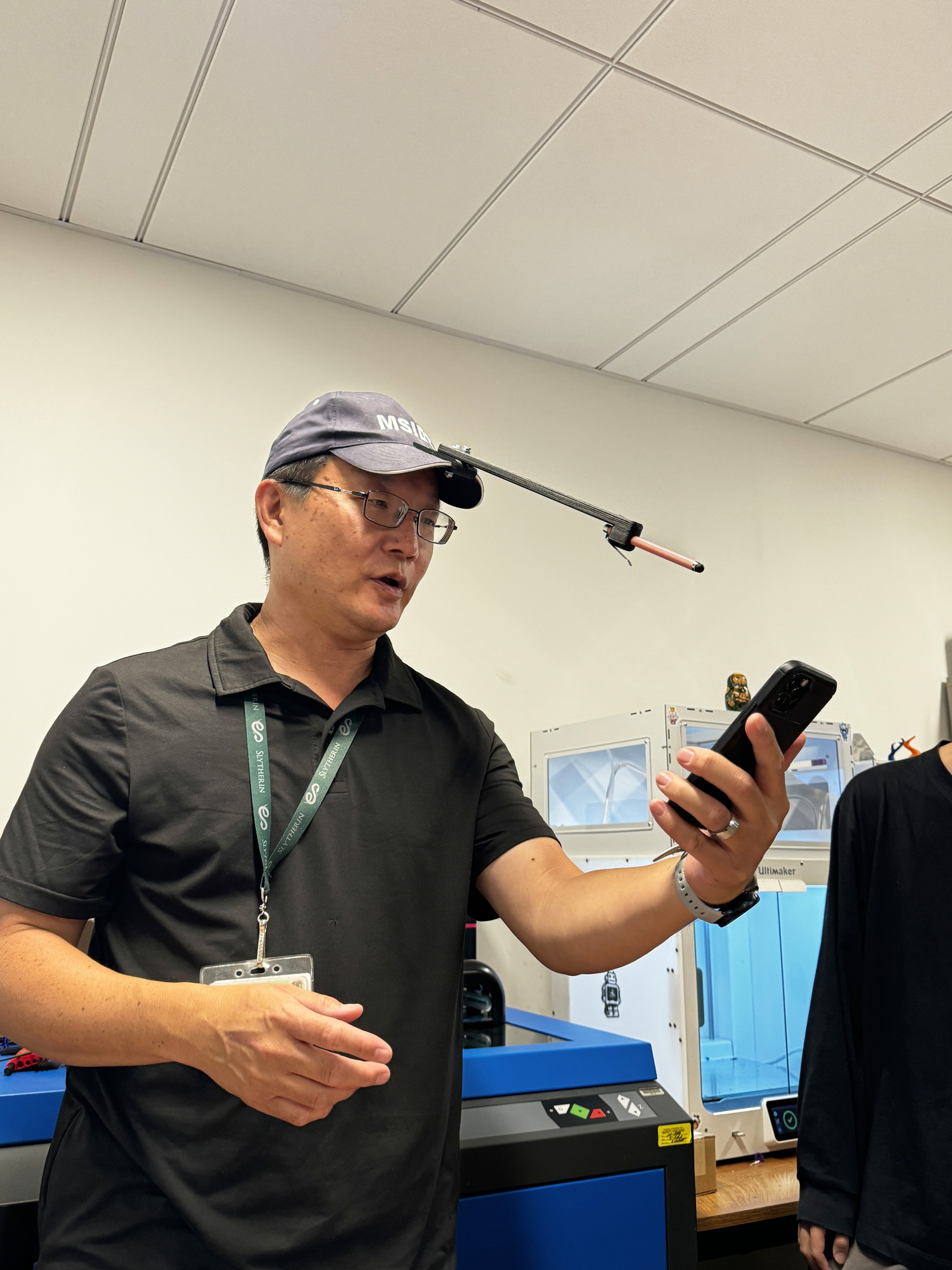
During a visit to Rancho Los Amigos Rehabilitation Center, I noticed that many assistive products were thoughtfully designed to support mobility and everyday tasks. What I did not see were tools created for creative expression. That gap became the starting point for MIDISONIC.
Support for communication and interaction
Support for communication and interaction
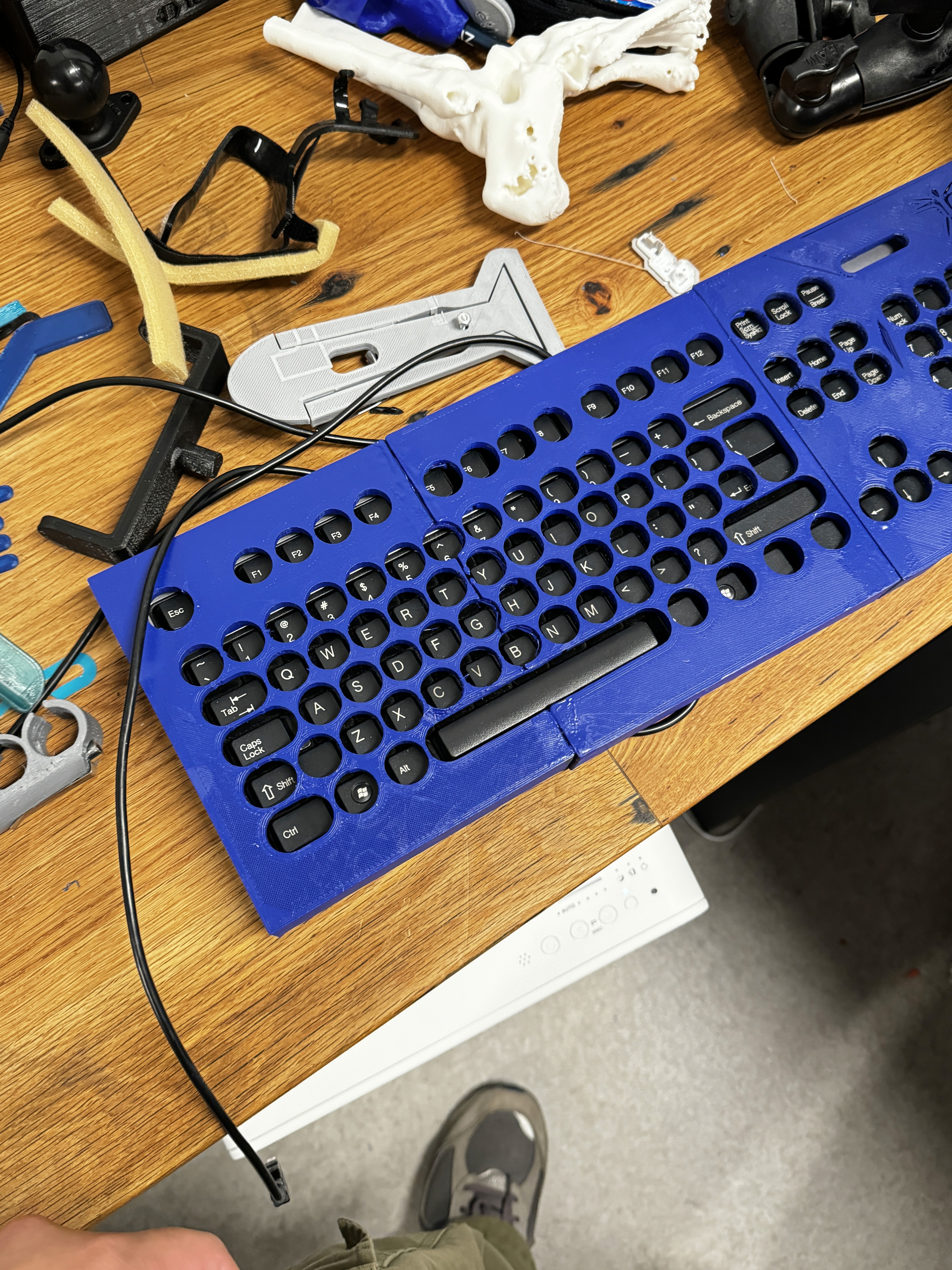
Tools designed for accessibility and daily use
Tools designed for accessibility and daily use
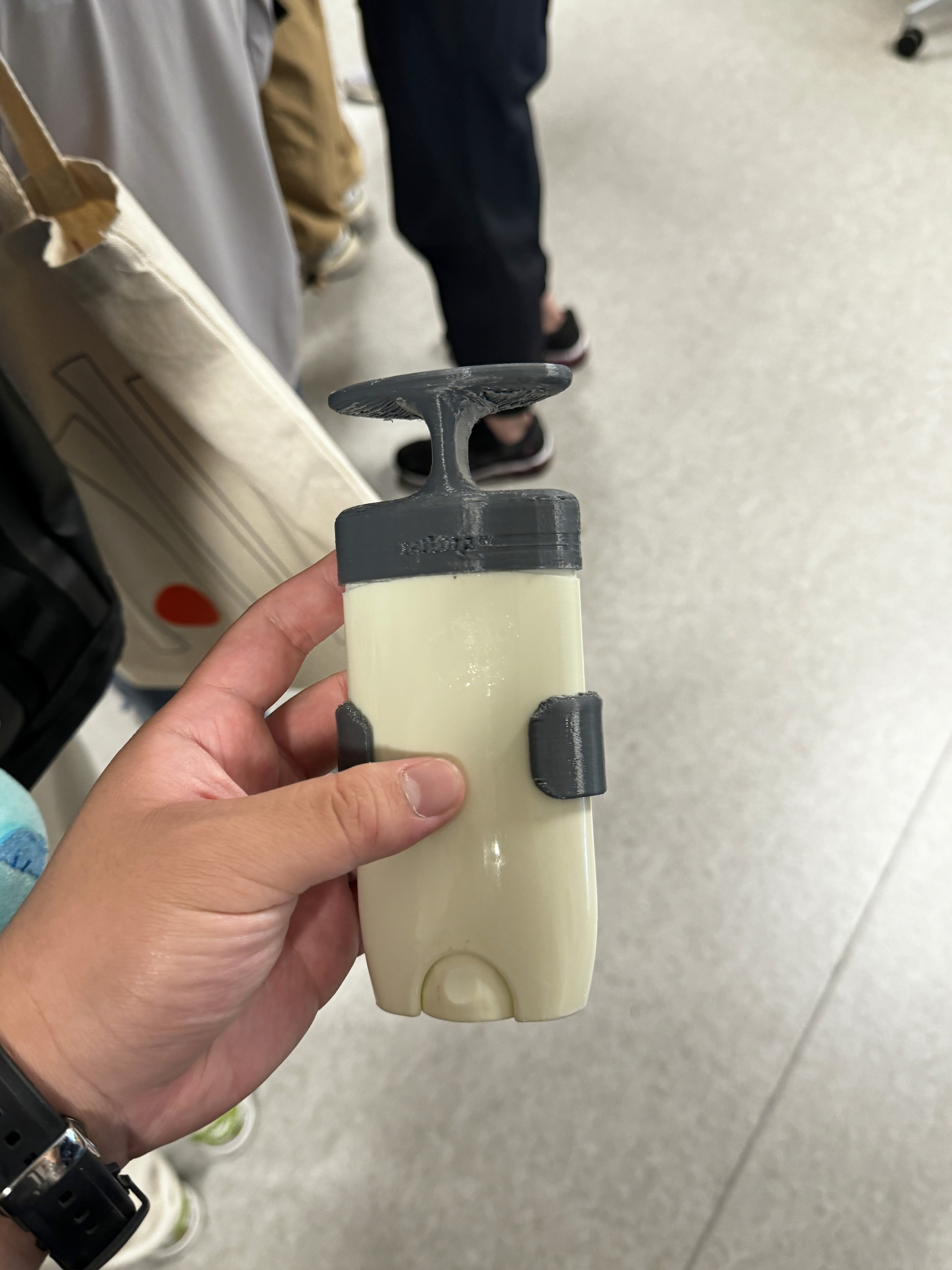
Products centered on function, not expression
Products centered on function, not expression
Design question
Can musical expression exist without physical controls?
Can musical expression exist without physical controls?
Traditional musical tools often rely on physical controls such as buttons, knobs, sliders, or keys. I began to ask whether musical expression could instead emerge through movement in space, without requiring direct touch.
Traditional musical tools often rely on physical controls such as buttons, knobs, sliders, or keys. I began to ask whether musical expression could instead emerge through movement in space, without requiring direct touch.
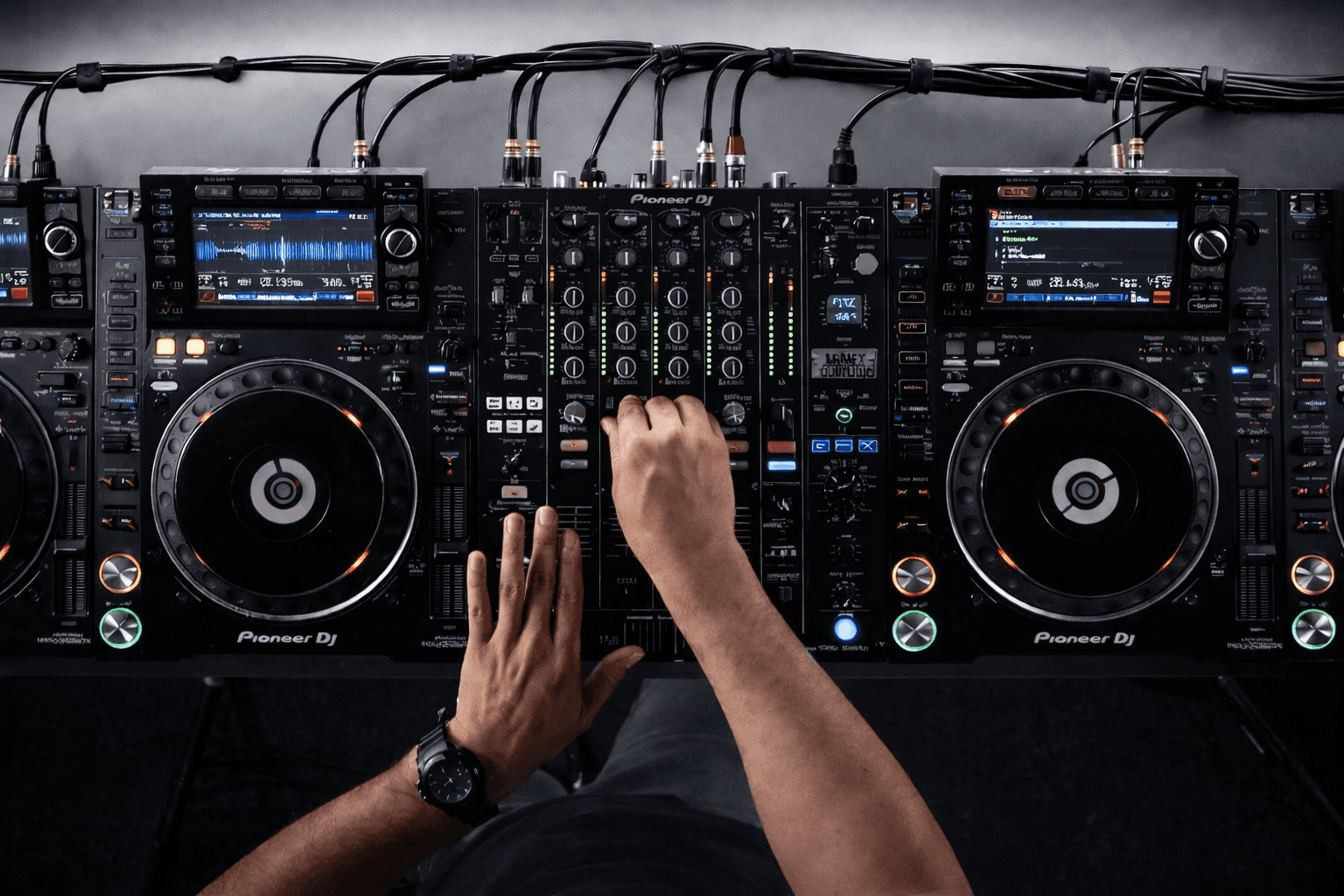
Traditional music tools rely heavily on physical controls such as knobs, sliders, keys, and buttons.
Traditional music tools rely heavily on physical controls such as knobs, sliders, keys, and buttons.

Traditional Instruments
Traditional Instruments
Most musical interfaces depend on touch based input and physical controls.
Most musical interfaces depend on touch based input and physical controls.
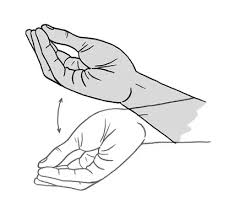
Movement in space
Movement in space
If intention could be expressed through gesture, physical contact might not be necessary.
If intention could be expressed through gesture, physical contact might not be necessary.
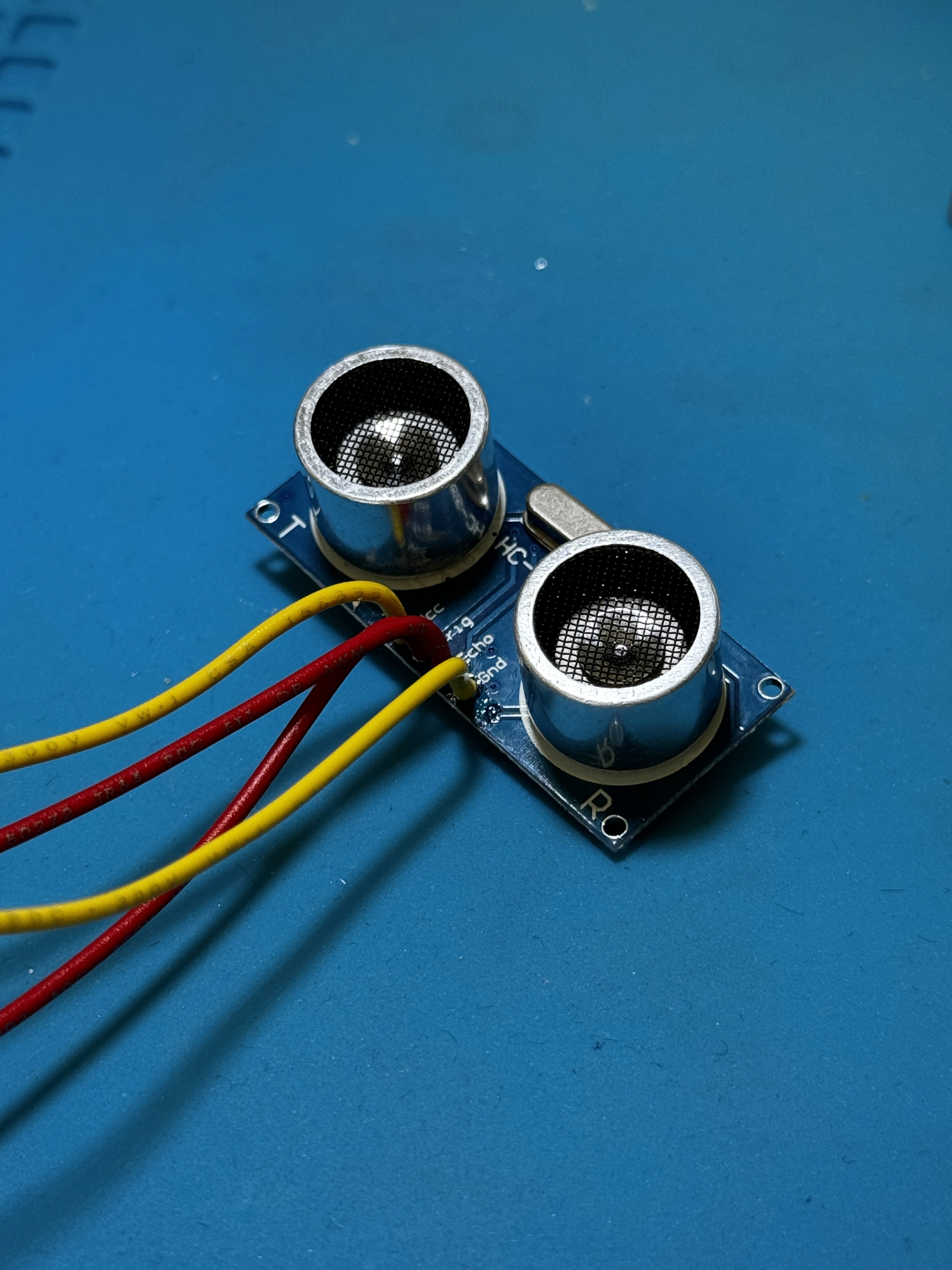
Contactless sensing
Contactless sensing
Ultrasonic sensors offered a way to capture distance in real time and translate it into sound.
Ultrasonic sensors offered a way to capture distance in real time and translate it into sound.
The challenge
Without feedback, users could trigger sound but struggled to build a mental model.
Without feedback, users could trigger sound but struggled to build a mental model.
Initial challenge
Initial challenge
The first prototype could map movement to sound, but it offered almost no feedback for users to understand what was happening.
The first prototype could map movement to sound, but it offered almost no feedback for users to understand what was happening.
Early testing
Early testing
Users often felt lost. Because the system responded only through sound, small variations in gesture produced large changes that were difficult to interpret. Without visual feedback, they struggled to connect movement with output.
Making the system legible
Making the system legible
I redesigned the mapping logic and paired it with a visual interface in TouchDesigner. By responding in real time to gesture, the visuals made the interaction easier to understand. Users could now hear and see the system at once, which helped them adapt faster and feel more in control.
I redesigned the mapping logic and paired it with a visual interface in TouchDesigner. By responding in real time to gesture, the visuals made the interaction easier to understand. Users could now hear and see the system at once, which helped them adapt faster and feel more in control.
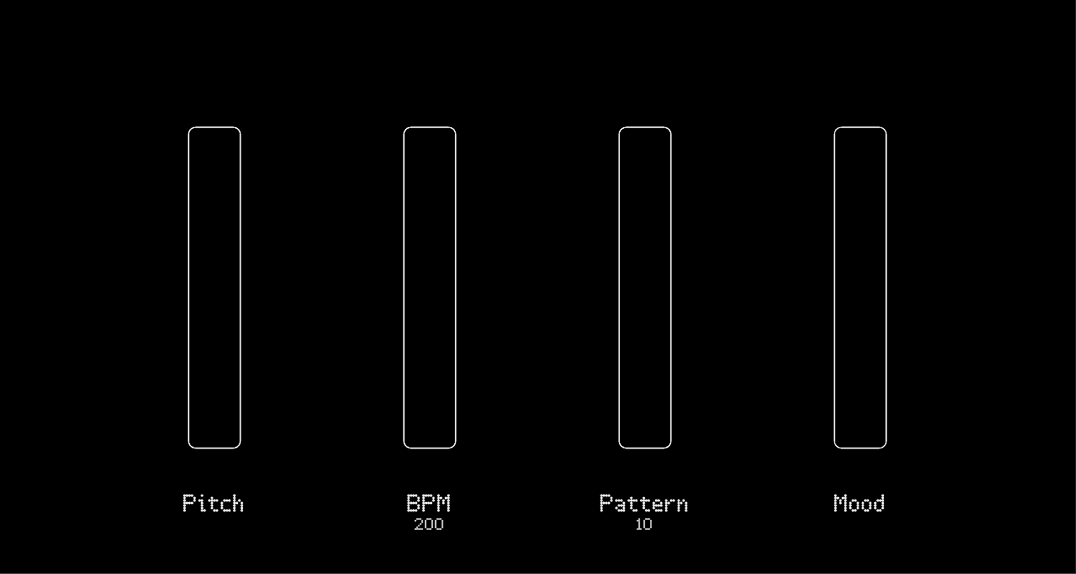
Real-time visual feedback mapped to gesture input
Real-time visual feedback mapped to gesture input
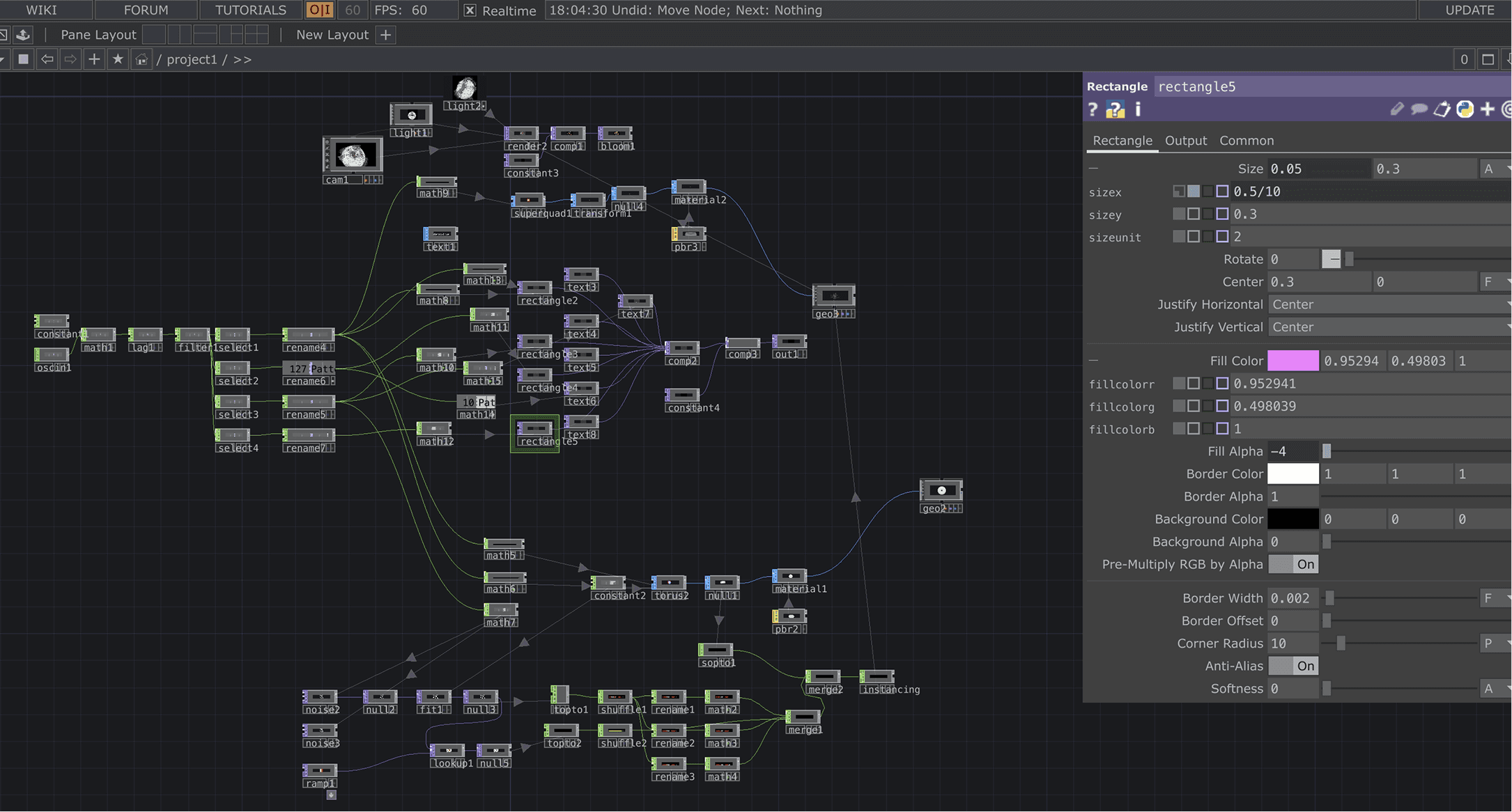
TouchDesigner logic for gesture-to-sound and visual output
TouchDesigner logic for gesture-to-sound and visual output
Product system
The final form evolved into a modular system for play, portability, and exploration.
The final form evolved into a modular system for play, portability, and exploration.
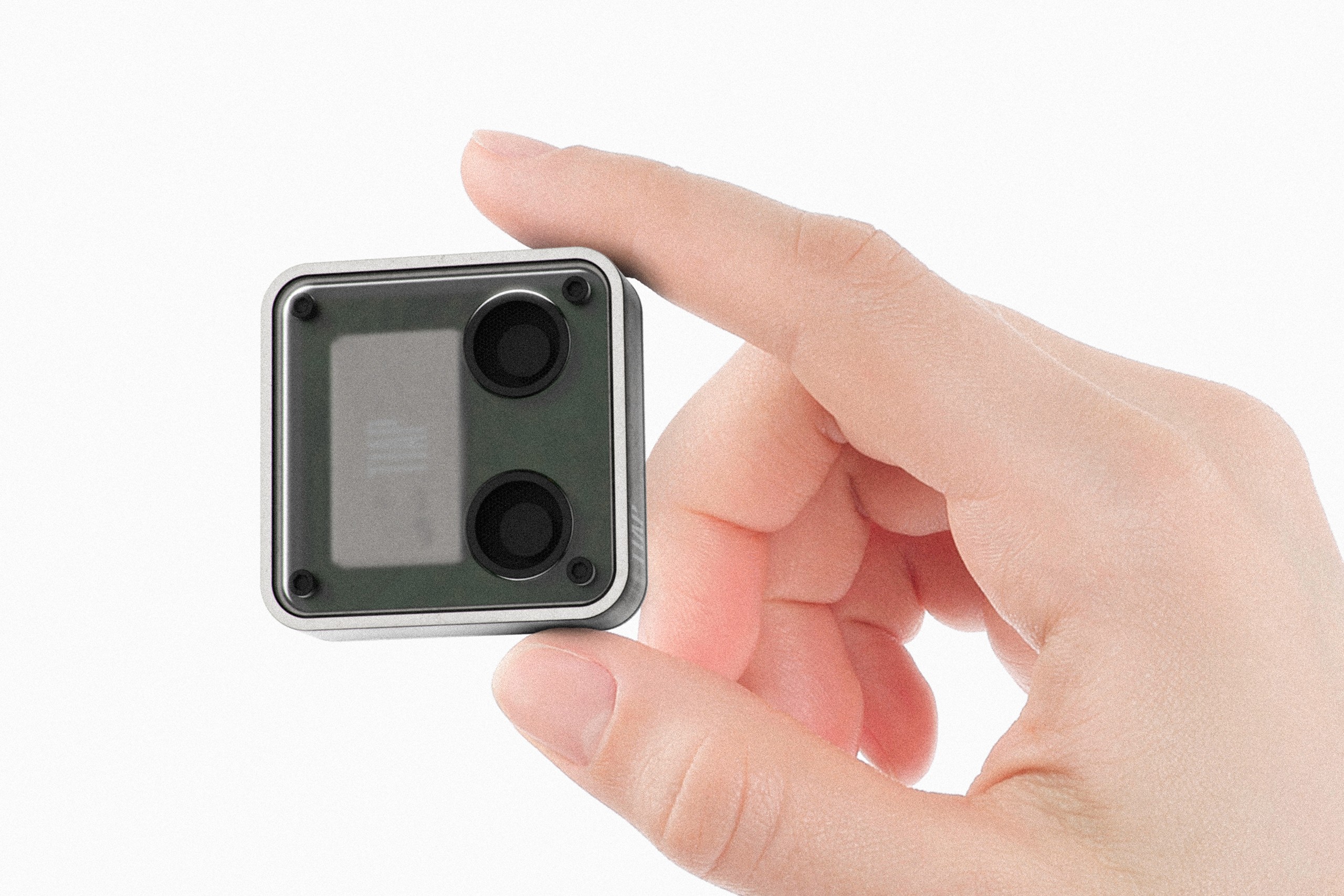
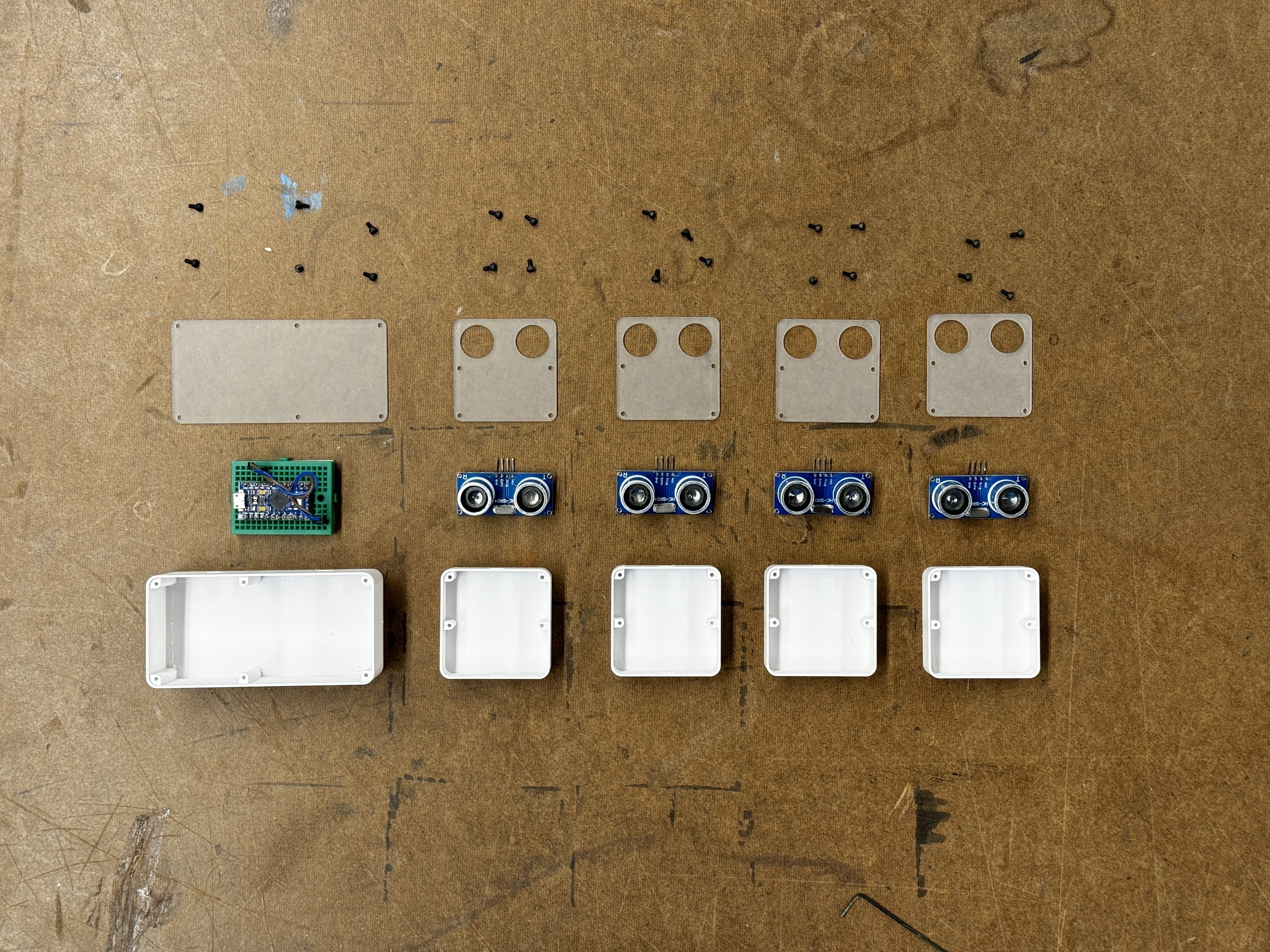
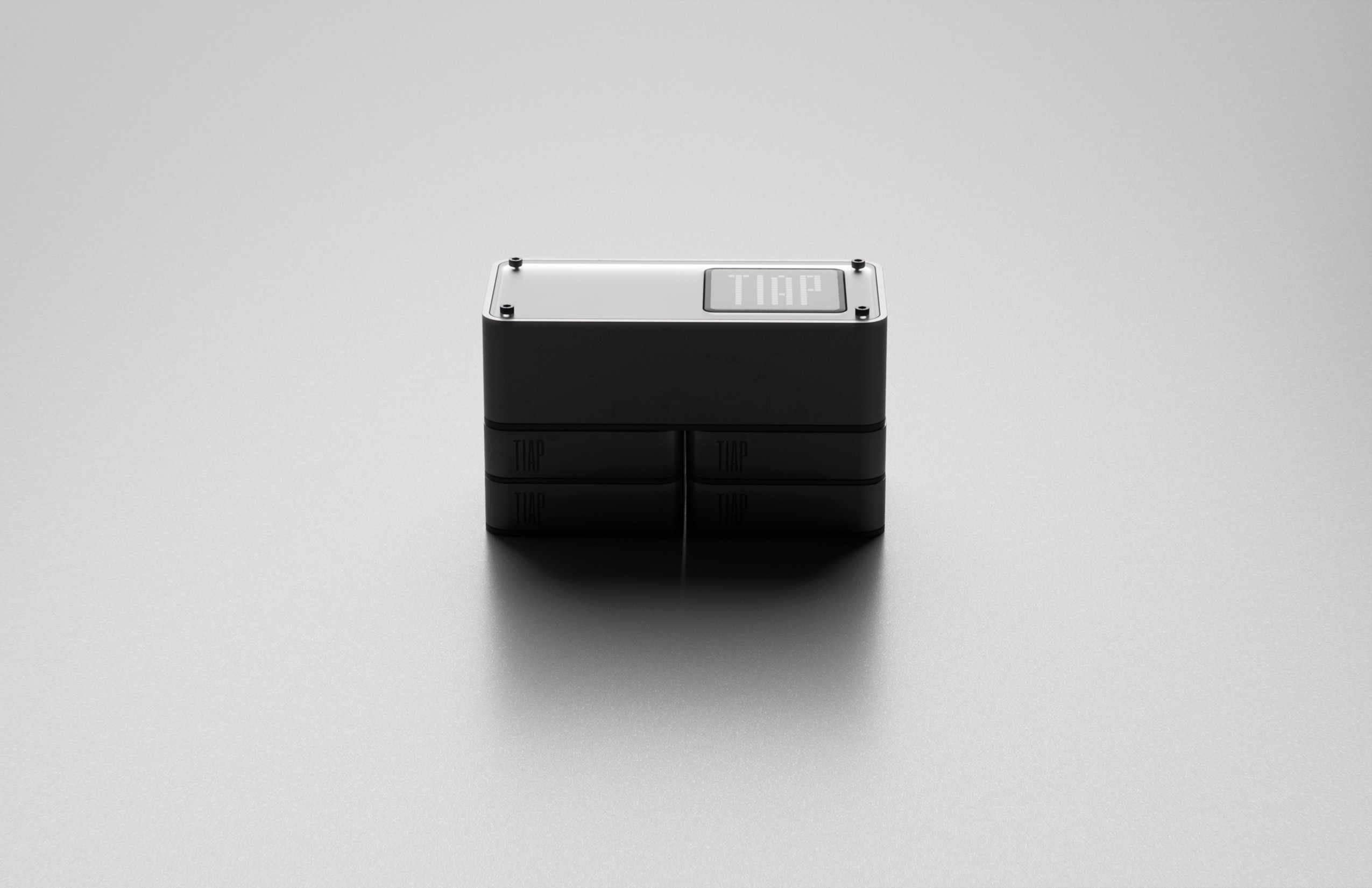
By separating sensing modules into stackable parts, MIDISONIC became more adaptable in both use and form. The system supports full-body gestural play, compact portability, and hands-on exploration.
By separating sensing modules into stackable parts, MIDISONIC became more adaptable in both use and form. The system supports full-body gestural play, compact portability, and hands-on exploration.
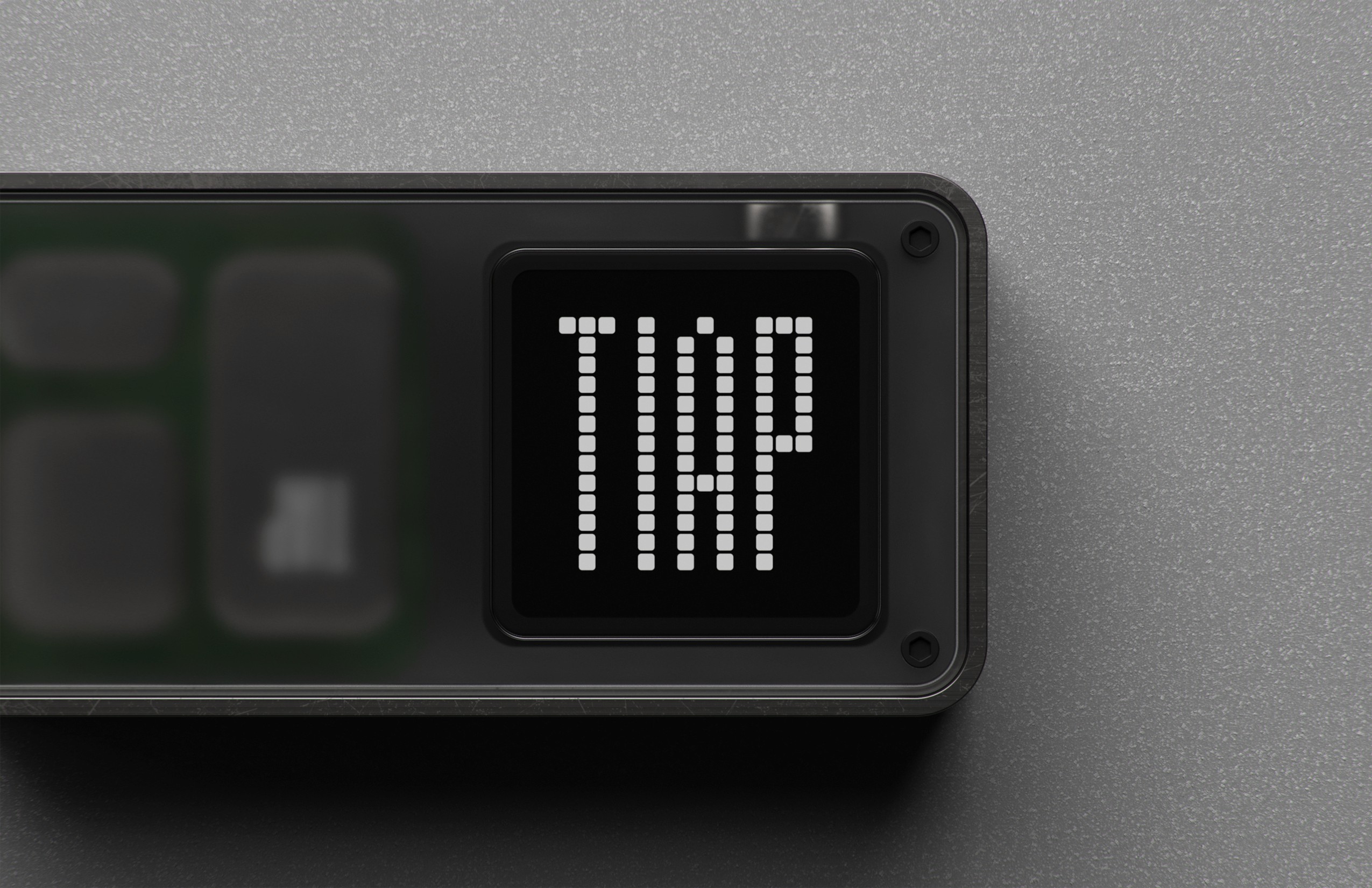



Visual interface cues
Visual interface cues
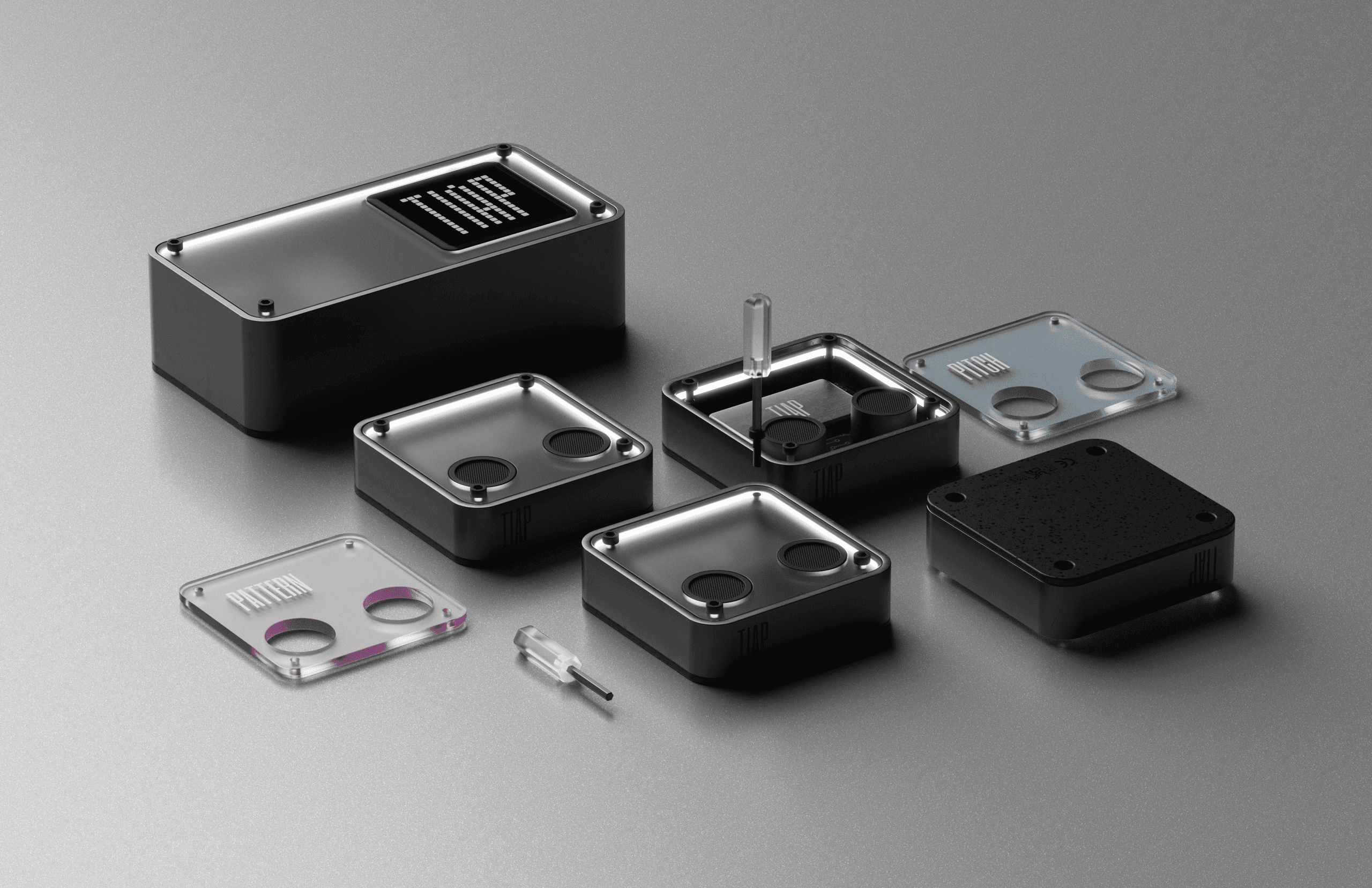
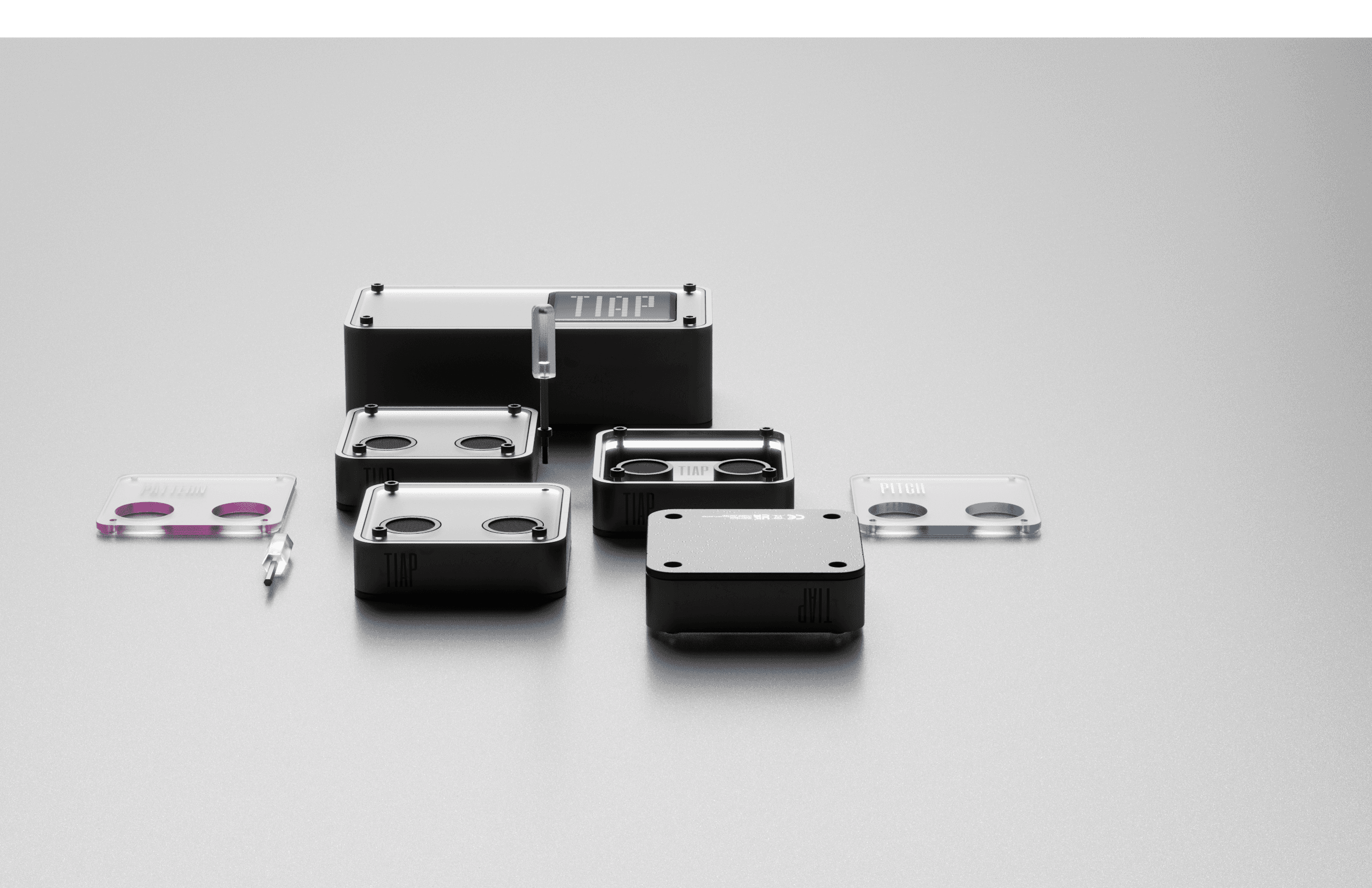
Expand Out to Play
Expand Out to Play
When separated, each module controls a different aspect of the music. This modular configuration supports larger gestures and more expressive full-body interaction.
When separated, each module controls a different aspect of the music. This modular configuration supports larger gestures and more expressive full-body interaction.
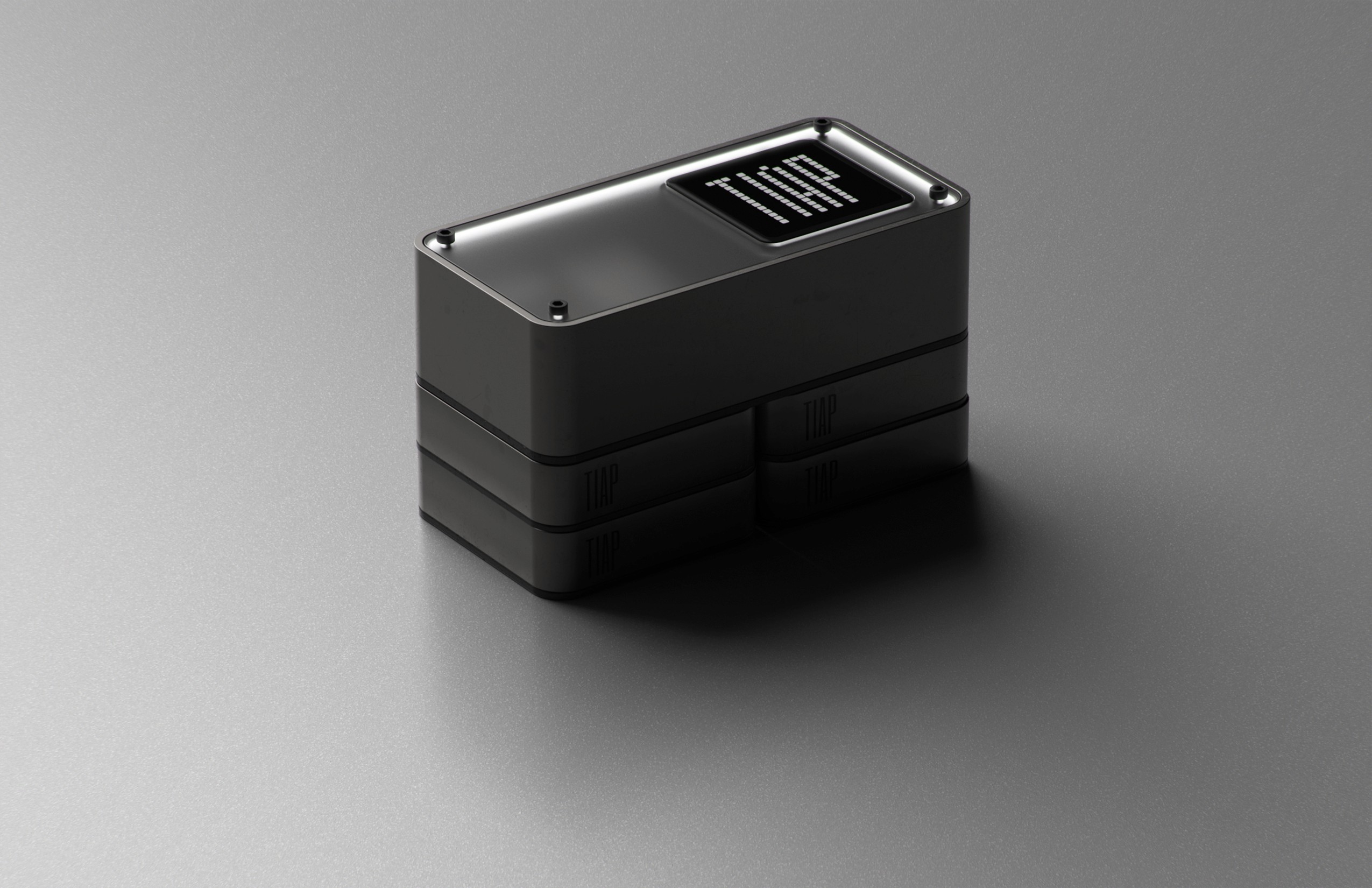
Stack On and Go
Stack On and Go
When stacked together, the modules become compact and portable, making MIDISONIC easier to carry and store.
When stacked together, the modules become compact and portable, making MIDISONIC easier to carry and store.
Take Apart to Explore
Take Apart to Explore
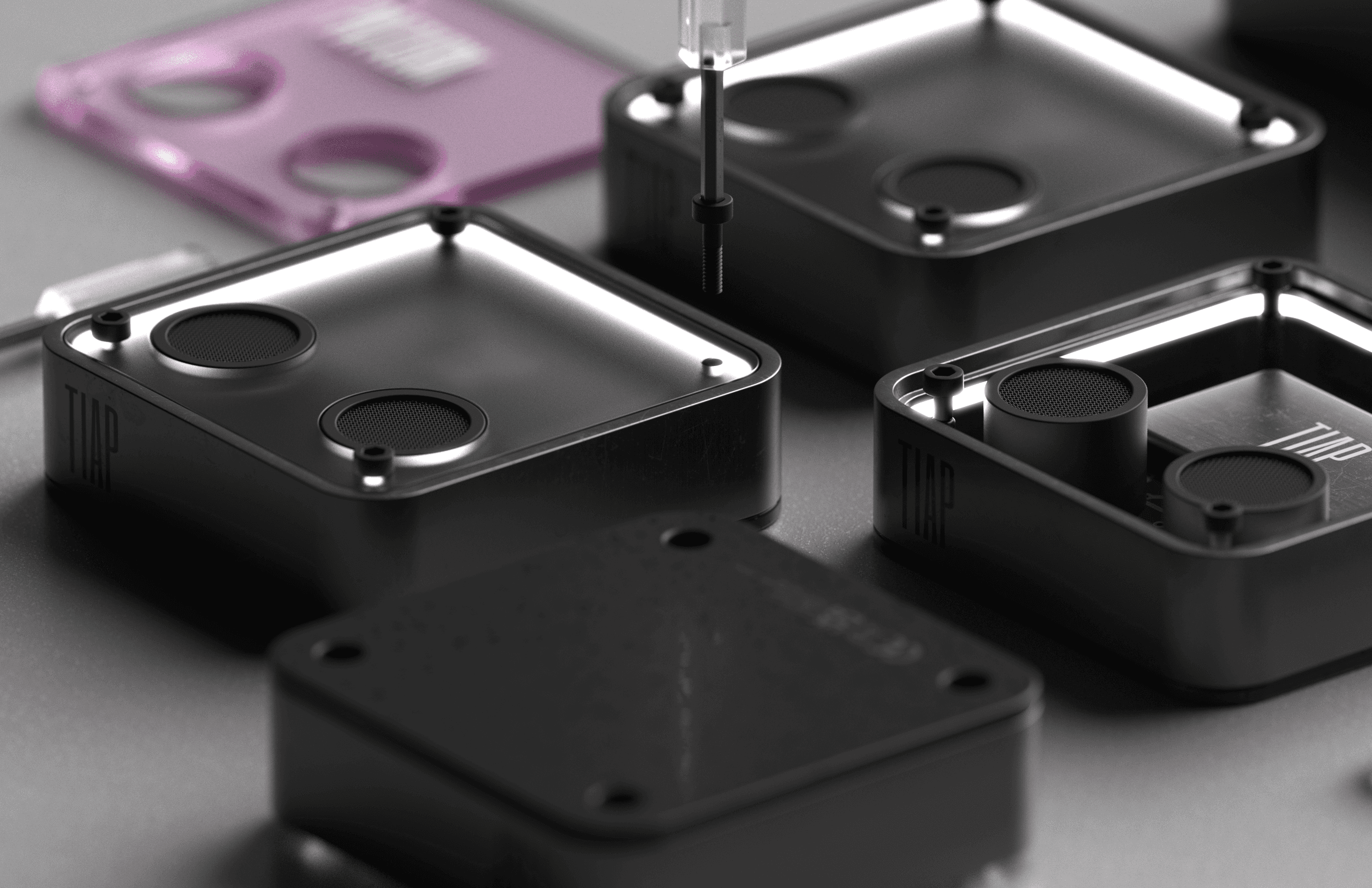
A custom screwdriver allows users to open the system, explore its internal structure, and personalize the experience.
A custom screwdriver allows users to open the system, explore its internal structure, and personalize the experience.